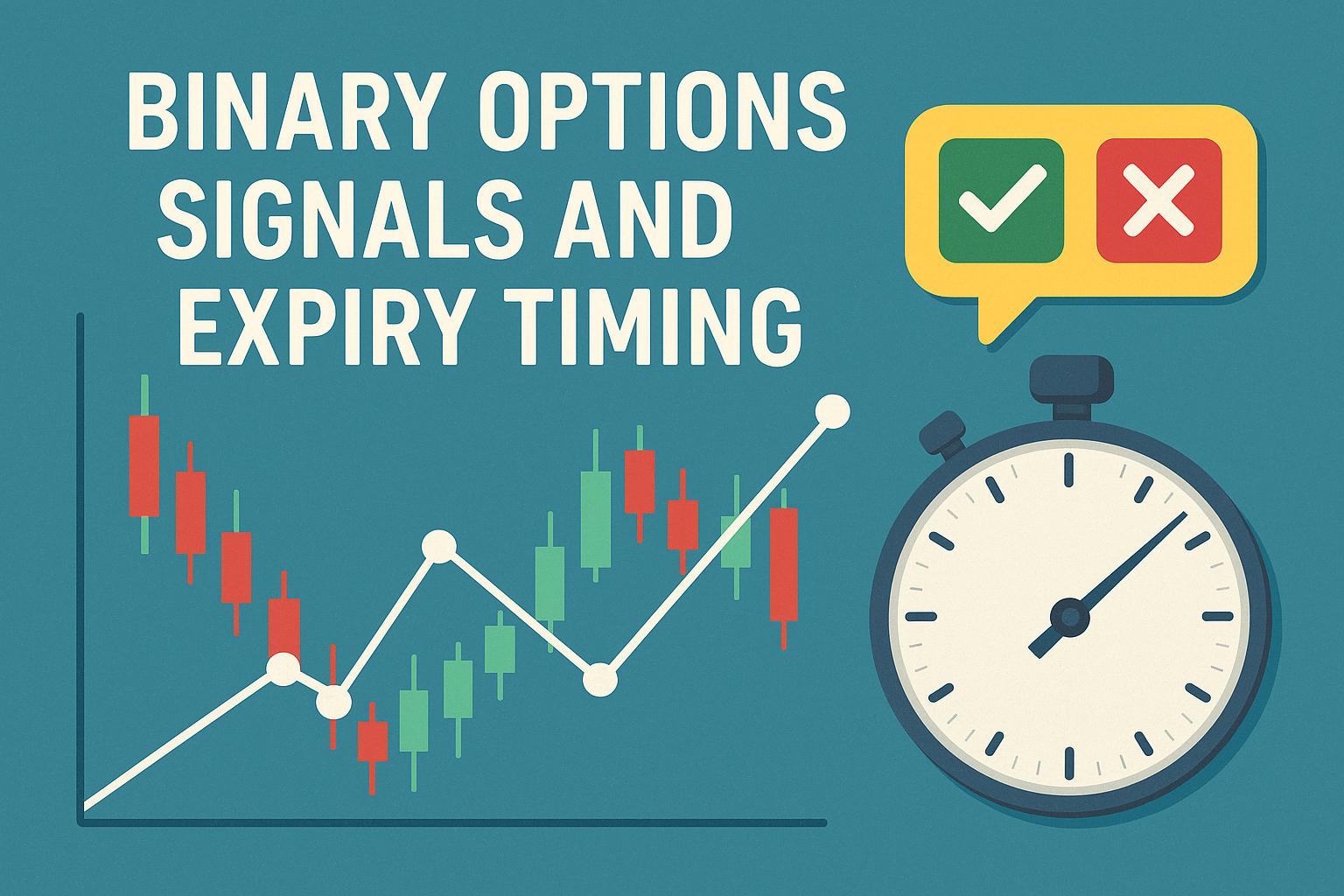
binary options signals and expiry timing
Understanding Binary Options Signals
In the world of financial trading, binary options signals serve as vital indicators designed to assist traders in making informed decisions. These signals typically represent a set of trading recommendations concerning a specific asset. They are generated by experienced traders or sophisticated algorithms and can significantly enhance trading effectiveness when used correctly.
What Are Binary Options?
Binary options are a type of financial option where the payoff is either a fixed monetary amount or nothing at all. Unlike traditional options, the outcome only depends on a “yes” or “no” proposition related to the asset price’s condition. This makes understanding and properly utilizing signals crucial for those involved in binary options trading.
How Binary Options Signals Work
Signals are typically communicated through various channels such as email, SMS, or direct notifications on trading platforms. A typical signal might contain the following information:
- Asset name
- Direction (Call/Put)
- Entry price
- Expiry time
The role of each component within a signal is crucial to its overall reliability and efficacy. Knowing when and how to act on these signals can heavily influence a trader’s outcome.
Understanding the Components of Binary Options Signals
The use of binary options signals involves understanding various components that make up a signal. Each part plays an essential role, and traders must grasp their significance to employ signals effectively.
Asset Name
The asset name in a signal identifies the specific market instrument to be traded. This could be a stock, commodity, currency pair, or index. Familiarity with the asset’s historical performance and characteristics is vital for making sound trading decisions.
Direction (Call/Put)
A signal will specify the predicted direction of movement for the asset: a Call option if the price is expected to rise, or a Put option if it is anticipated to fall. This directionality helps traders decide whether to buy or sell options.
Entry Price
The entry price marks the point at which the trader should enter a position based on the generated signal. This price acts as a reference, ensuring traders benefit from applying the signal promptly and accurately.
The Role of Timing
Binary options trading relies heavily on timing, as the duration between the trade execution and expiry time impacts the probability of success. The timing aspect is crucial due to the short-term nature of binary options.
The Importance of Expiry Timing
The expiry time in binary options trading refers to the specific time and date when the option contract will expire. At this point, it will be determined whether the proposition has been successful. The timing is critical since binary options are delineated by short-term trading periods, ranging from 30 seconds to 12 months.
Choosing the Right Expiry Time
Determining the optimal expiry time for each trade is dependent on the trader’s strategy and goal. Some key considerations include:
- Market Conditions: Volatile markets might require different timing strategies compared to stable markets.
- Asset Characteristics: Different assets such as commodities, indices, or currencies may exhibit varying behaviours that impact expiry selection.
- Trading Style: Traders may prefer short, intermediate, or long expiry times based on their risk appetite and desired outcomes.
Leveraging Expiry Strategies
Traders employ various strategies to leverage expiry timing effectively. Some might use short expiries for quick trades, while others might opt for longer durations to mitigate immediate volatility. Understanding how different expiry strategies impact potential returns and risks is crucial for success.
Evaluation of Trading Signals
Evaluating the quality of trading signals involves a thorough analysis of their historical accuracy and reliability. Traders typically assess signals based on the success rates and adaptability to market conditions.
Historical Performance: Historical data analysis is a technique used by traders to discern the efficacy of signals over time, gauging how previous signals would have performed in varying market environments.
Adaptability: The adaptability of a signal generation system to shifting market conditions is paramount. Markets are dynamic, and a rigid signal system might become obsolete quickly, whereas adaptable systems can provide continued value.
Risk Management and Signals
Incorporating risk management strategies alongside binary options signals is essential. Traders must set clear risk thresholds and apply risk reduction techniques such as diversification and maintaining a balanced trading portfolio.
Diversification: By diversifying assets and geographical exposure, traders mitigate risks associated with relying heavily on a single signal or asset class.
Position Sizing: Determining the appropriate position size allows traders to manage risk effectively, ensuring that no single trade disproportionately affects the overall trading portfolio.
Conclusion
Understanding and efficiently leveraging binary options signals alongside carefully chosen expiry timings can provide substantial advantages in the smart world of trading. However, success in trading requires more than following signals and expiry timing; it necessitates comprehensive knowledge, experience, and strategy formulation.
To learn more about effective strategies and insights into binary options trading, you may explore additional resources on Investopedia or consult professional financial advice to stay updated.
This article was last updated on: October 17, 2026
Understanding Binary Options Signals In the world of financial trading, binary options signals serve as vital indicators designed to assist traders in making informed decisions. These signals typically represent a set of trading recommendations concerning a specific asset. They are generated by experienced traders or sophisticated algorithms and can significantly enhance trading effectiveness when used…