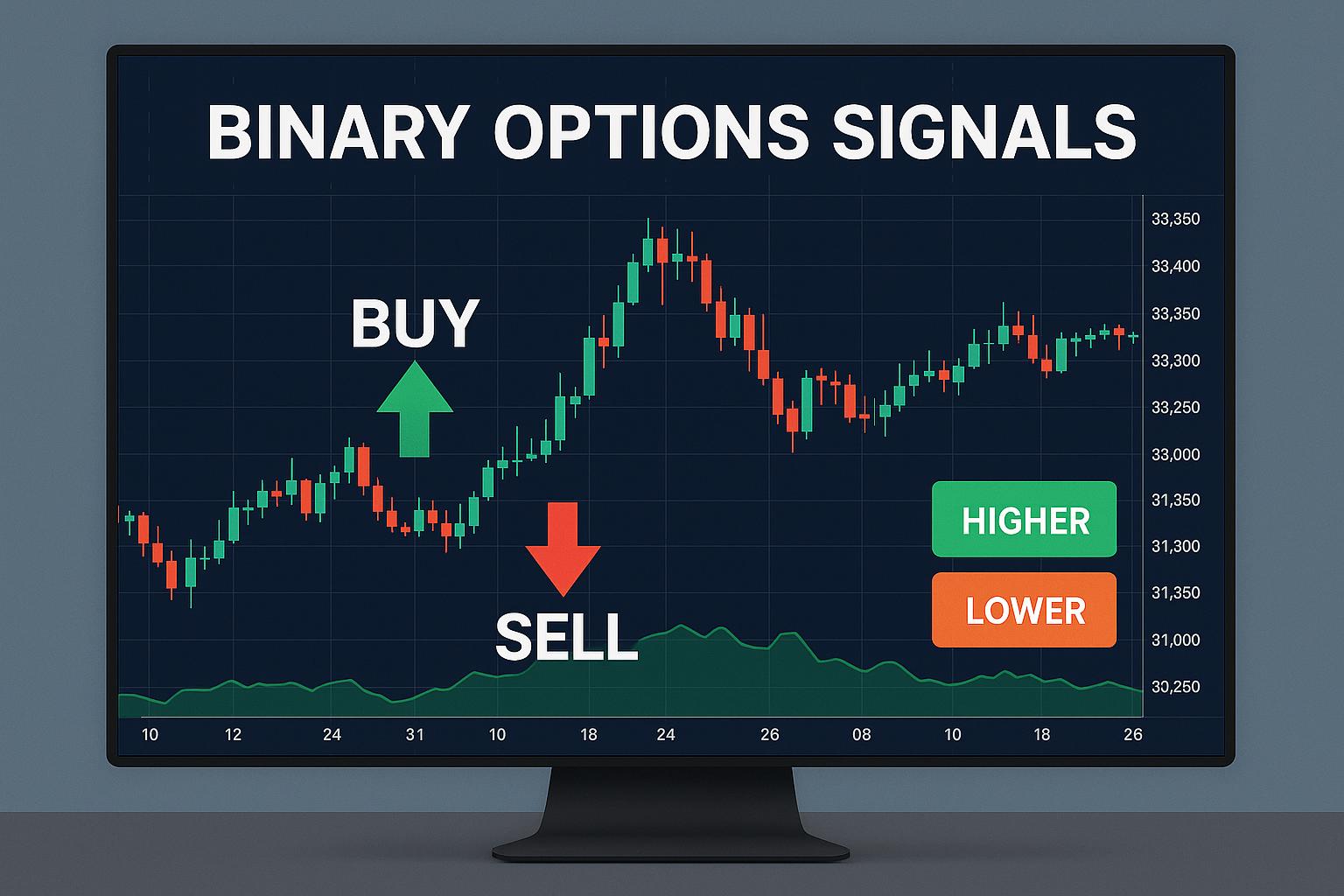
binary options signals on desktop platforms
Understanding Binary Options Signals on Desktop Platforms
Binary options trading has increasingly captured the interest of traders due to its simplicity and potential for significant returns. A key component in the world of binary options trading is the use of signals. Signals, integrated within trading platforms, serve as vital tools to assist traders in determining the best times to trade, thus enhancing their decision-making process.
What Are Binary Options Signals?
Binary options signals are essentially trading recommendations or alerts that provide traders with potential trading opportunities. Whether crafted by experienced analysts or developed through sophisticated automated algorithms, these signals aim to guide traders towards informed decisions. They suggest the direction of trading—whether to buy or sell—and often indicate the ideal time to execute a trade, depending on the market conditions.
How Signals Work on Desktop Platforms
Desktop platforms offering binary options trading frequently include integrated signal services, making it easier for traders to receive pertinent data promptly. These signals are displayed in real-time, equipping traders with the tools required to respond quickly to dynamic market trends. The integration of such functionalities within desktop platforms streamlines the process of accessing essential information, thus enriching the trading experience for users.
Key Features
Desktop platforms that feature integrated signals are designed with various components to augment the overall functionality and usability for traders:
Real-time Alerts: A critical advantage of these platforms is their ability to deliver instant updates regarding trading opportunities. Real-time alerts allow traders to enter or exit positions swiftly, based on immediate market movements.
Customization Options: An essential feature is the ability to tailor the trading environment. Traders have the flexibility to configure their dashboards to monitor preferred assets or specific types of signals, thus focusing on areas of interest that match their trading strategy.
Historical Data: Access to historical signal performance is another crucial feature. It allows traders to scrutinize the past success rate of signals, aiding in assessing their reliability and effectiveness for future trades.
Evaluating the Quality of Signals
When considering the incorporation of binary options signals into their trading strategy, traders must rigorously evaluate their quality. Not all signals provide the same level of accuracy or reliability, so it’s essential to understand what differentiates effective signals from less useful ones. Several factors merit attention:
Accuracy: A robust indicator of a signal’s reliability is its historical success rate. Examining past outcomes can offer insights into future accuracy, helping traders decide whether to trust a particular signal in their trading plans.
Source Credibility: The origin of the signal is paramount. Signals derived from well-known analysts or established service providers typically boast higher reliability. Newer services may still offer valid signals but present a risk due to less proven track records.
Review and Feedback: An often-overlooked aspect is user reviews and feedback, which can yield valuable insights. Feedback from other traders who have previously used these signals can provide a clearer picture of their practical effectiveness.
The Role of Automation
A significant evolution in trading platforms is the inclusion of automated trading capabilities. Automation makes it possible for signals to trigger trades automatically, essentially allowing trading to occur without human intervention. This development is especially beneficial to those traders who cannot devote constant attention to the market.
Benefits of Automation
The main advantages of automated trading within the context of binary options include:
Efficiency: Automated systems are capable of processing data and executing trades at speeds human traders cannot match. This capacity enables them to seize opportunities that might otherwise be inaccessible due to time constraints or human limitations.
Consistency: Emotion often clouds judgment during trading. Automation eliminates this factor by adhering to a predetermined set of rules, ensuring that trades are executed consistently based on the signals received, thereby reducing the risk of human error.
For more information on the detailed aspects of binary options trading and to explore various desktop platforms that offer these services, please refer to relevant resources tailored to your needs.
Conclusion
In conclusion, binary options signals on desktop platforms are indispensable tools for traders aiming to enhance their trading capabilities. By thoroughly understanding how to assess and employ these signals, traders can elevate their chances of executing successful trades. Additionally, selecting the right signal providers and leveraging features like automation and real-time data can further refine trading strategies. It remains imperative for traders to conduct diligent research and carefully choose signal providers to leverage the most precise and dependable information available, thereby significantly enhancing the trading process.
This article was last updated on: September 26, 2026
Understanding Binary Options Signals on Desktop Platforms Binary options trading has increasingly captured the interest of traders due to its simplicity and potential for significant returns. A key component in the world of binary options trading is the use of signals. Signals, integrated within trading platforms, serve as vital tools to assist traders in determining…